API RP 578 COMPLIANCE AND TRAINING: INSIGHTS FROM A PMI EXPERT
Innov X Africa • December 7, 2022

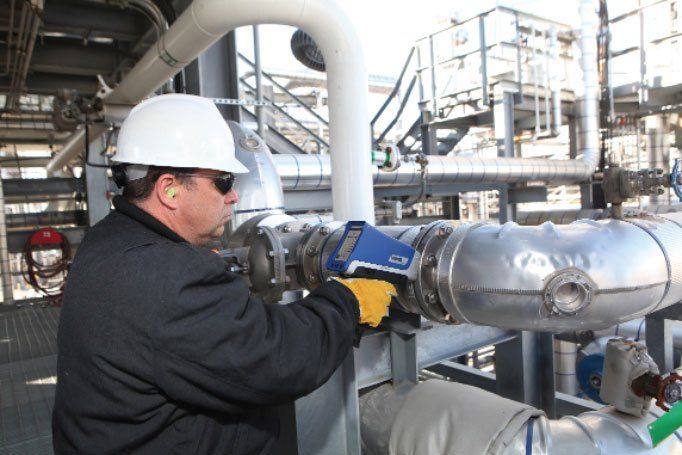
Recommended Practice 578 (API RP 578) from the American Petroleum Institute (API) provides guidelines for a material and quality assurance system to verify the composition of alloy components in new and existing piping systems. Following these guidelines is critical for safety since using the right alloy in the right component can help prevent accelerated corrosion or even part failure.


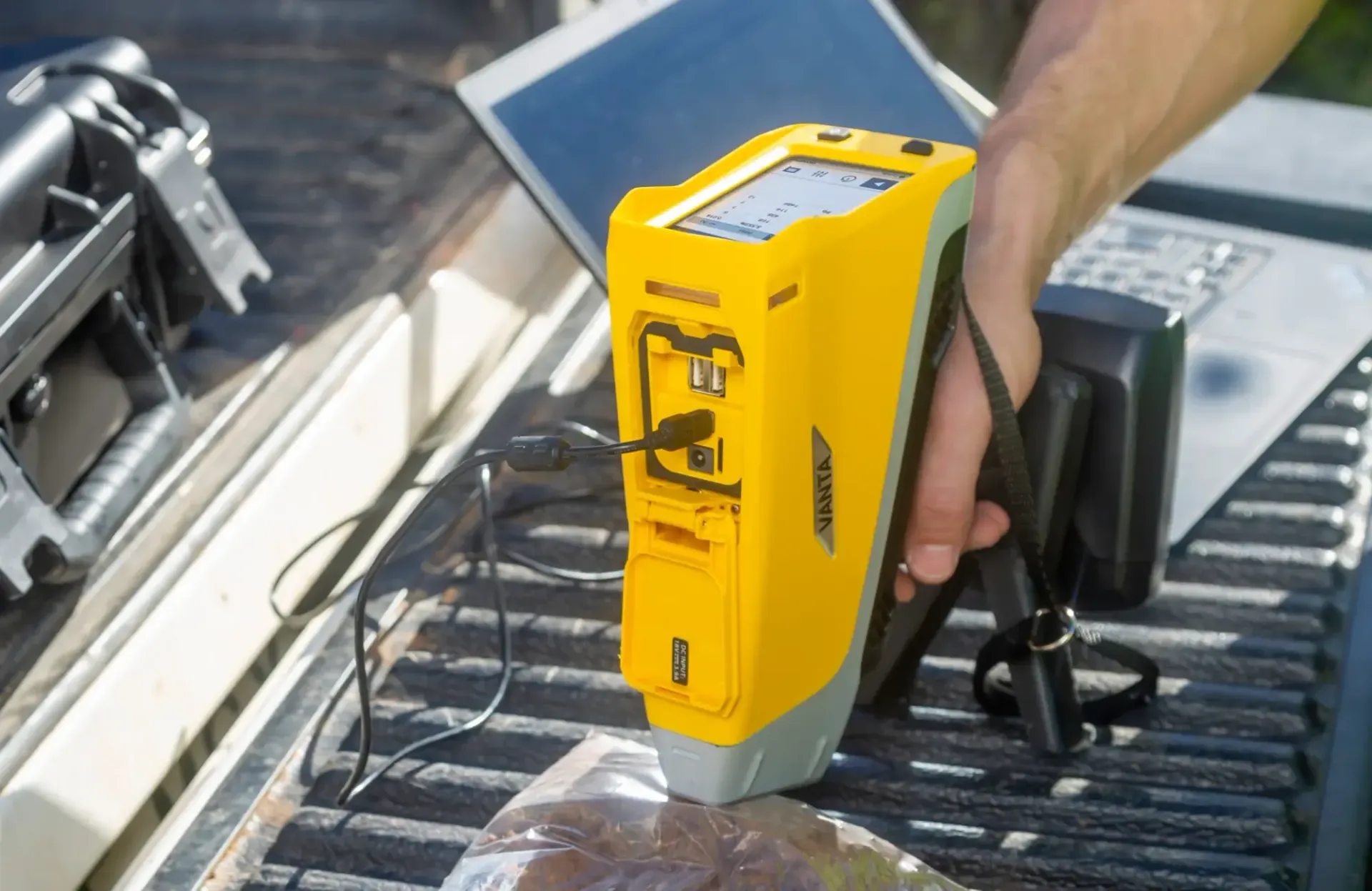
The Vanta™ handheld XRF analyzer provides accurate alloy ID and chemistry results in seconds to assist with the compliance of API RP 578 for alloy verification in piping systems. We’ve teamed up with Metal Analysis Group to offer API RP 578 global training courses so that participants can learn how to properly use their Vanta analyzers to follow this recommended practice.


We sat down with Quan Collins, Principal and Training Program Coordinator for Metal Analysis Group, to discuss the API RP 578 training process.

  • Can you tell us about yourself and your role at Metal Analysis Group?

    I have a bachelor’s degree in mechanical engineering with 15 years’ experience in the PMI field. My career in PMI has been primarily focused in the petrochemical industry, where I’ve worked in testing and inspection, sales, consulting/support, service, and training.


    I am also the co-author of Metal Analysis Group’s PMI Qualification Training Series, which is part of our initiative to have PMI recognized as an SNT-TC-1A discipline.

  • What types of customers do you work with?

    Industrial customers throughout the metals supply chain, including metal testing labs, metal fabricators, inspection companies, and scrap metal recyclers. Although we don’t work exclusively in the oil and gas industry, the vast majority of our customers come from this field.

  • What do you help customers with?

    Our company acts as a metal consultant for those in the metal supply chain. We provide training, technical support, audits, construct material verification programs (MVPs), and re-certify test equipment for QC/ISO quality programs.

  • What does API RP 578 require of companies?

    That they follow standards, guidelines, recommended practices to help reduce the likelihood of catastrophic events in the industry.

  • How do companies implement these practices at their facilities?

    These practices are implemented in three ways:

    • Training and education
    • Record keeping
    • Having an MVP that adheres to API guidelines
  • What’s a common misconception about API RP 578 training?

    The biggest misconception about API RP 578 is that it only applies to the in-plant refining process. Suppliers and vendors that provide materials to support the refining process are also subject to API RP 578.

  • What topics are covered in a typical API RP 578 training?

    Topics include:


    • Government and industry recommendations and regulations
    • How to create a metal verification program
    • How to conduct PMI testing properly
    • Reporting and record keeping
  • Does the program offer hands-on training?

    Hands-on learning is an important component of Metal Analysis Group’s API RP 578 training. Participants are challenged to create their own MVP and use PMI equipment to generate and report data.

Learn More about API RP 578 Training


Completing an API RP 578 training can give you the expertise and confidence to perform accurate, efficient PMI, get certified, and advance your career.


Ready to sharpen your skills and try the training for yourself? Visit our training member portal to learn more about Metal Analysis Group’s training options, watch our API 578 webinar, and sign up for an upcoming class.
Why is Copper Scrap so important for the modern industry?
By External Article July 20, 2026
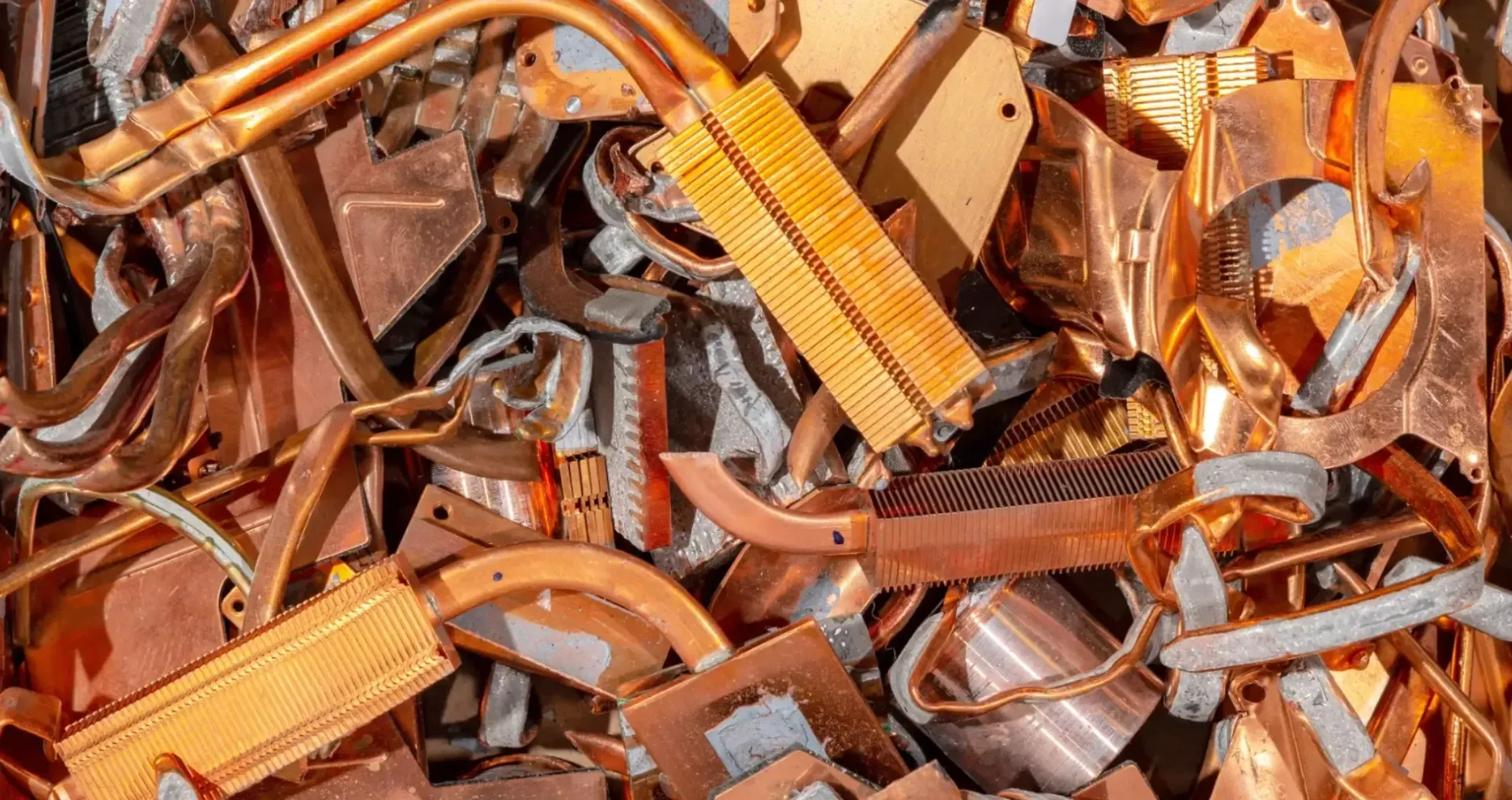
With the growth of the clean energy industry, the demand for copper has continued to rise over the past decades. Recently, scrap recycling has gained significant attention within the copper industry. The International Copper Study Group (ICSG) reports that scrap-based refined copper production rose by 5.4% in early 202
Gold Analysis Testing Guide
By External Article July 2, 2026
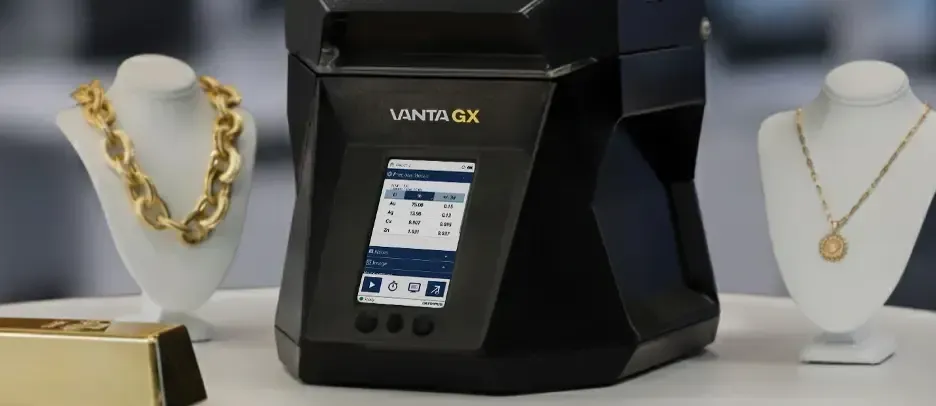
Gold has never been more valuable—or more risky. As prices hit record highs, the market reacts fast, more gold changes hands, and more suppliers appear.
Innov-X Africa Partners with Spectral Evolution to Bring Advanced Spectroscopy Solutions to Africa
By Innov-X Africa May 14, 2026
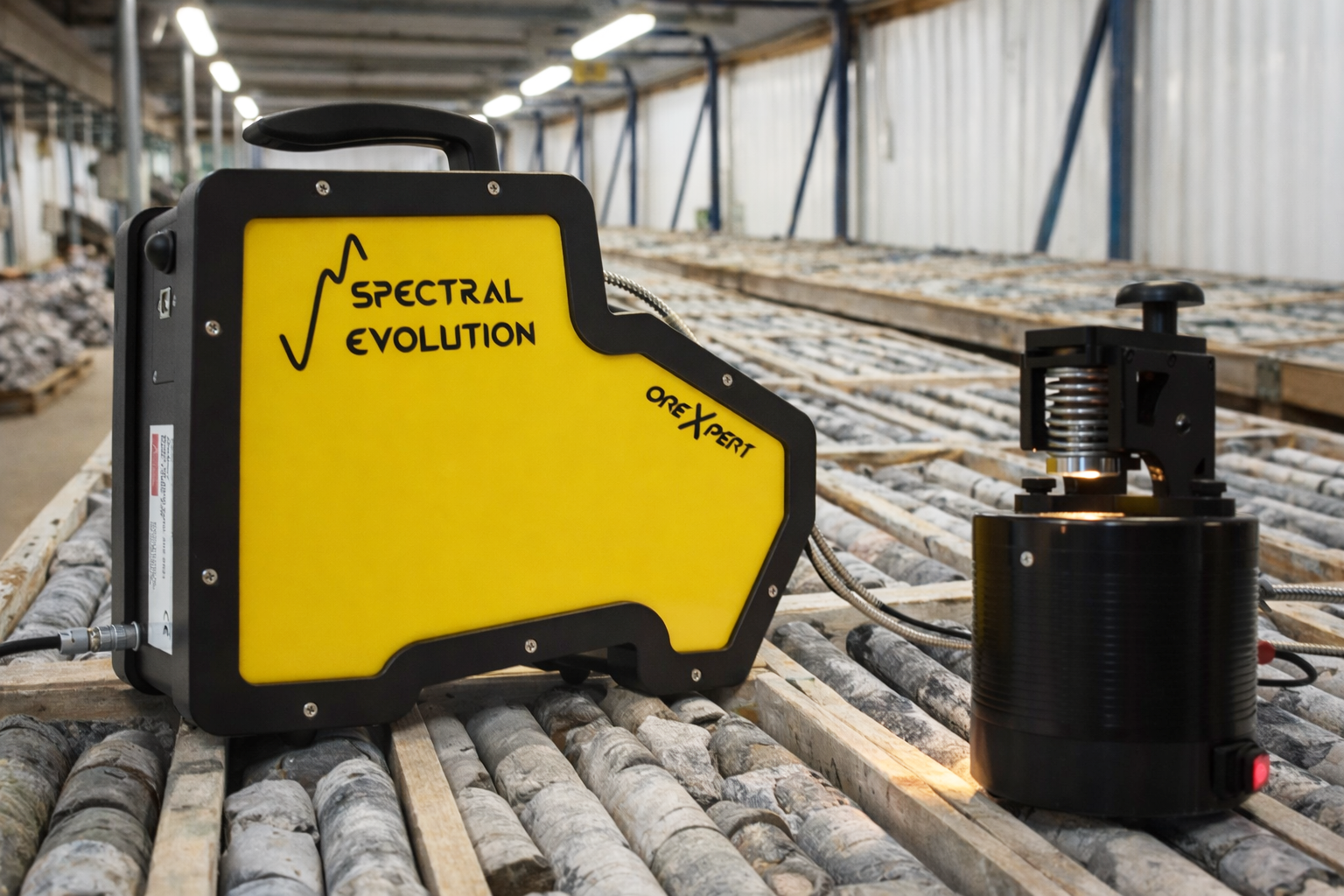
Innov-X Africa Partners with Spectral Evolution to Bring Advanced Spectroscopy Solutions to Africa
Innov-X Africa New  Partnership with SEMS Exploration
By Innov-X Africa April 29, 2026
Innov-X Africa is proud to announce a strategic partnership with SEMS Exploration, marking an important step forward in expanding our footprint and enhancing service delivery across West Africa.
Wabtec Finalizes Acquisition of Evident’s Inspection Technologies Division
By External Article April 2, 2026
Wabtec Corporation (NYSE: WAB) announced today that it completed the acquisition of Evident’s Inspection Technologies division (Inspection Technologies), formerly part of the Scientific Solutions Division of Evident Corporation, a global leader in Non-Destructive Testing, Remote Visual Inspection and Analytical Instrum
Nu 18Million worth of equipment handed over by UNICEF for a lead-free Bhutan
By External Article March 13, 2026
UNICEF today handed over Nu 18 million (USD 199,711) worth of lead testing equipment to the Ministry of Health, advancing Bhutan’s vision of a Lead-Free Bhutan.
A Webinar Recap on Geochemistry and Alloy Analysis
By External Article November 25, 2025
In a recent webinar hosted by Simon Nordstad, CEO and Founder of myStandards GmbH, participants were treated to a comprehensive overview of analytical techniques, sample preparation strategies, the importance of reference materials, and essential QA/QC concepts relevant to geochemistry and alloy analysis.
Striking a balance between handheld XRF and lab-based methods
By External Article October 20, 2025
Africa’s growing role in the global resource economy continues to drive the demand for efficient and reliable testing methods. X-ray fluorescence (XRF) technology, which has served the mining industry for decades, remains a critical tool, offering rapid, non-destructive elemental analysis in the field.
Revolutionizing Alloy Analysis with the Vanta Element® Handheld XRF Analyzer Series
By Craig Bateman July 11, 2025
In industries where accuracy, efficiency, and durability are non-negotiable, the Vanta Element® handheld XRF analyzer series stands out as a game-changer. Whether you’re working in metal manufacturing, scrap recycling, mining, alloy processing, or petrochemical applications, having the right analyzer in hand means fast
Out of This World! Museum Tests Meteorite Collection Using XRF
By External Article January 27, 2025
A meteorite is a fragment of a comet, asteroid, planet, or meteoroid that survived its passage through outer space and the atmosphere to land on the surface of the Earth. Unlike the fleeting beauty of meteors that illuminate the night sky as shooting stars, meteorites are enduring relics from outer space.
Show More