Nu 18Million worth of equipment handed over by UNICEF for a lead-free Bhutan
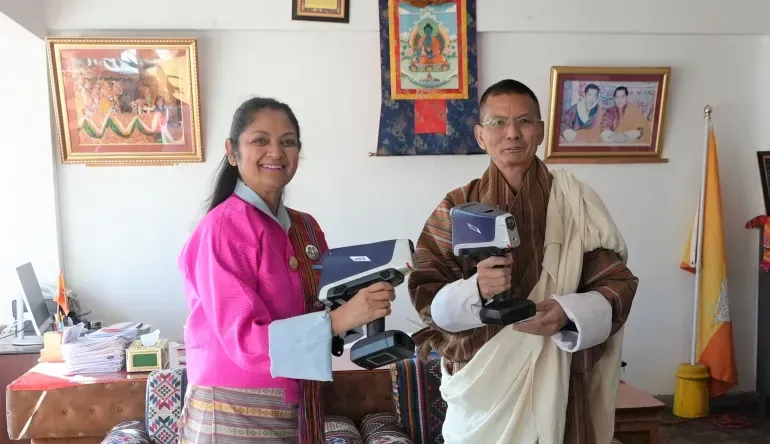
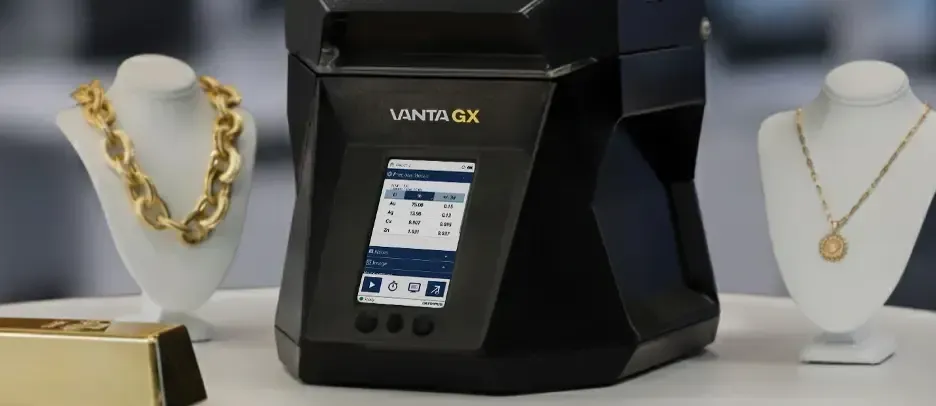
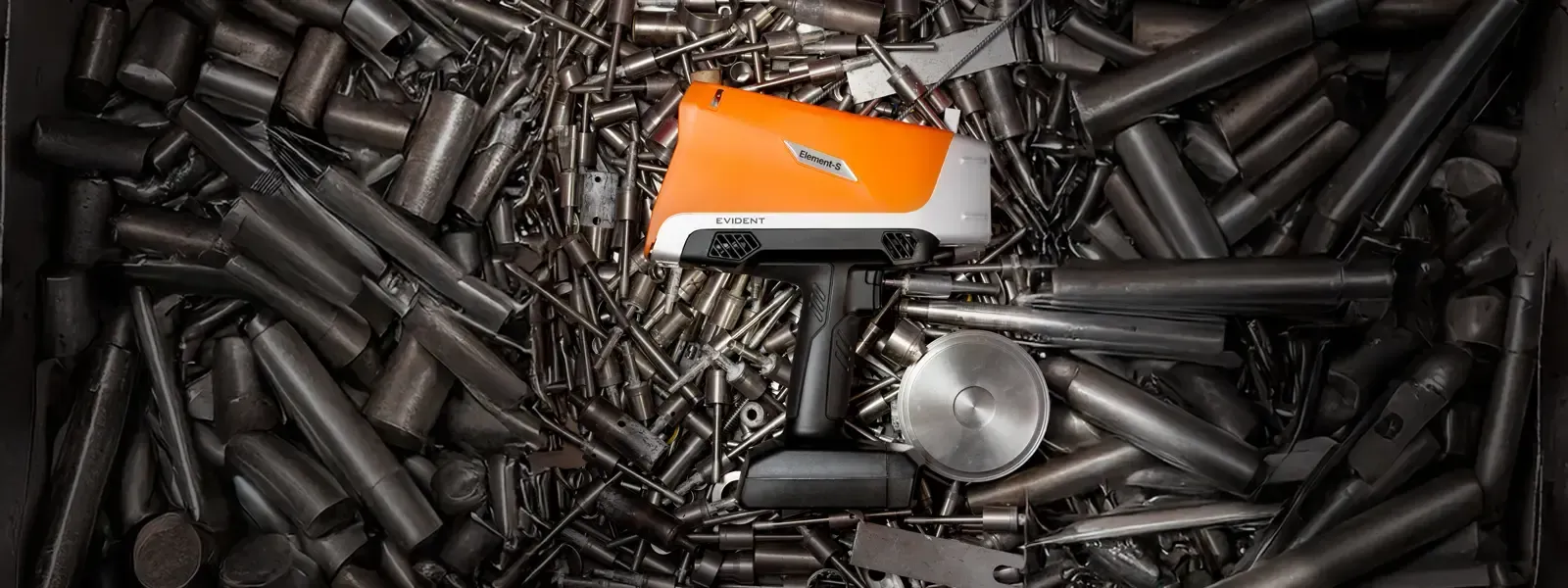
UNICEF Representative Rushnan Murtaza (L) and Health Secretary Pema Wangchuk with the XRF analyzers that is used to detect lead in paint, soil, dust, and consumer goods.
THIMPHU, February 13, 2026: UNICEF today handed over Nu 18 million (USD 199,711) worth of lead testing equipment to the Ministry of Health, advancing Bhutan’s vision of a Lead-Free Bhutan.
This contribution builds on Bhutan’s reaffirmation at UNICEF’s high-level side event “Toward a Lead-Free Future” during the 80th UN General Assembly in 2025, where Prime Minister Tshering Tobgay called for urgent global action to end childhood lead poisoning. Translating global commitments into national action, the equipment strengthens Bhutan’s capacity for lead surveillance, environmental testing, and frontline health service delivery.
The new equipment will enhance environmental and product testing, generate reliable data, and monitor compliance with safety standards. Appreciating the Royal Government of Bhutan and the Ministry of Health’s leadership in generating evidence through the first-ever National Blood Lead Level Survey, UNICEF Bhutan Representative Rushnan Murtaza reaffirmed UNICEF’s commitment to protecting children from environmental health risks and strengthening systems for a safer future.
“UNICEF is confident that this support will strengthen investigations to build strong systems to protect children through evidence-based policies, effective regulations, and sustainable surveillance,” said Rushnan Murtaza. “This handover is a step towards our shared vision of a Lead-Free Bhutan.”
Health Secretary Pemba Wangchuk thanked UNICEF for the continued support towards protecting the health of women and children, assuring that the new set of equipment will strengthen surveillance on lead exposure.
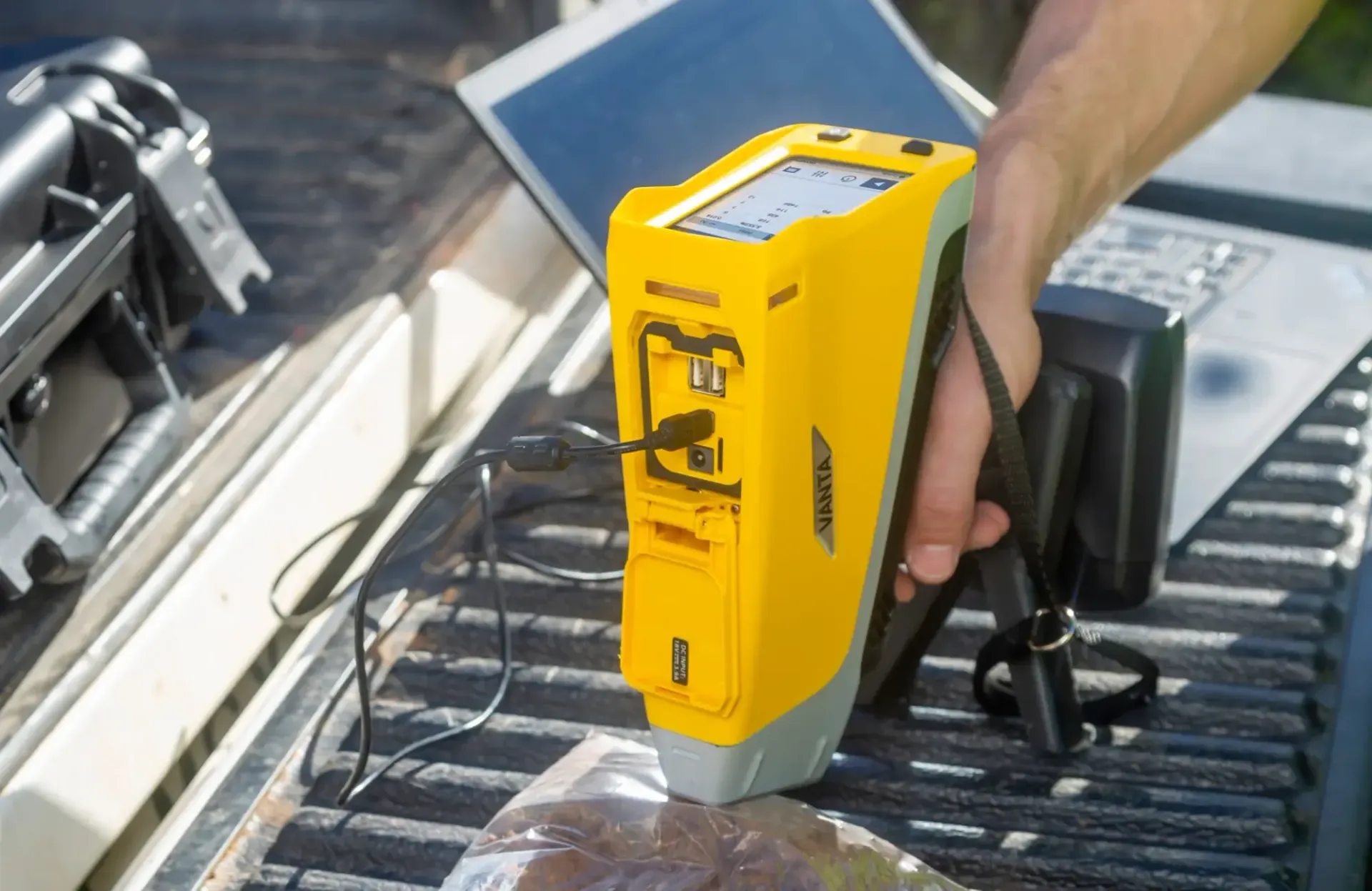
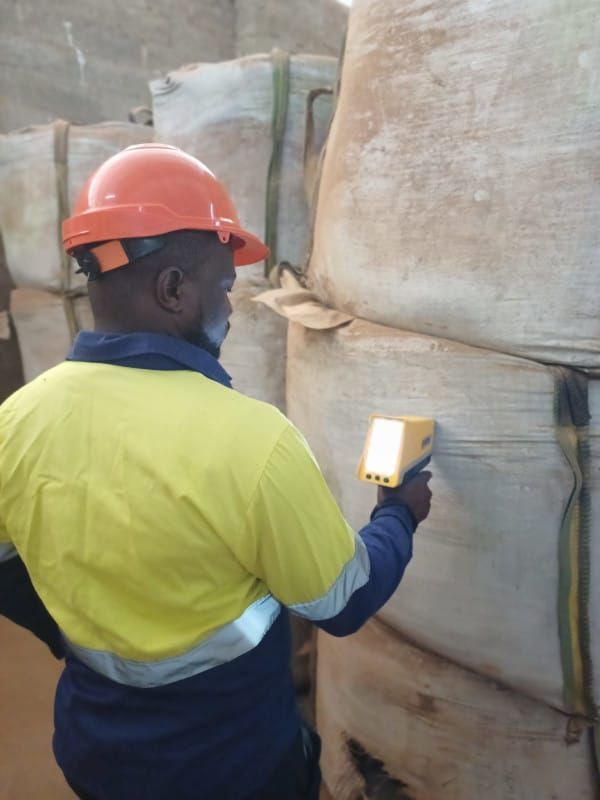
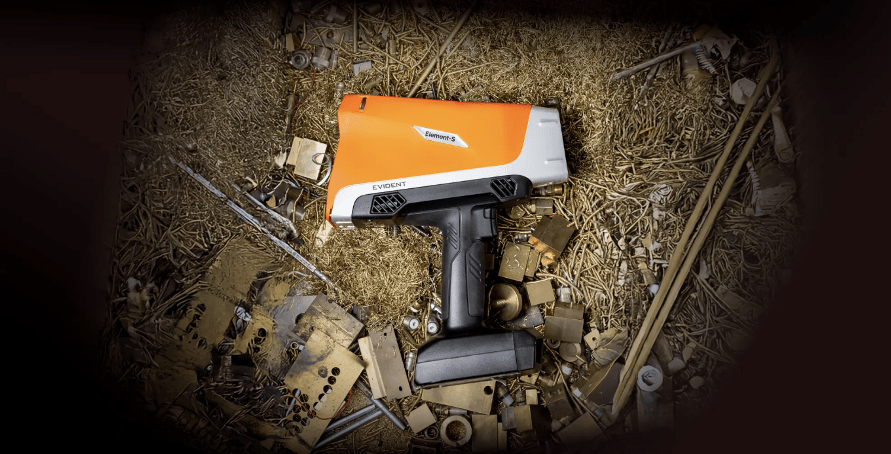
The equipment set includes three XRF analyzers for swift detection of lead in paint, soil, dust, and consumer goods; five Lead Care II analyzers for rapid, cost-effective blood-lead testing with on‑site results; four Rad-67 pulse oximeters for non-invasive monitoring of hemoglobin levels in children and pregnant women; and reagents and consumables for ongoing monitoring. All equipment are verified, recorded, and packed for safe use in accordance with WHO pre-qualification standards.
Led by the Ministry of Health, UNICEF and partners are integrating lead testing into routine surveillance, strengthening regulatory mechanisms, and continuing market surveillance to inform standards and enforcement.
Led by the Ministry of Health, UNICEF and partners are working on integrating lead testing into routine surveillance and strengthening regulatory mechanism, continue market surveillance using data to inform standards and enforcement. The Ministry has already drafted the National Lead Prevention Strategy and regulatory framework, awaiting final approval.
Globally, lead poisoning affects one in three children, causing an estimated 3.45 million deaths annually and costing the global economy at least USD 1.4 trillion in productivity losses. In Bhutan, the 2024 National Blood Lead Level Survey revealed that 76 per cent of young children have unsafe levels of lead in their blood, with contamination found in everyday items such as spices, cookware, toys, and cosmetics. In response, the Royal Government of Bhutan has taken swift action, including evidence-building, regulatory strengthening, whole-of-government coordination, community engagement, and capacity building.